
Kuzine: An Indispensable Part of Traditional Life
The Place of Kuzine in Architectural Structures
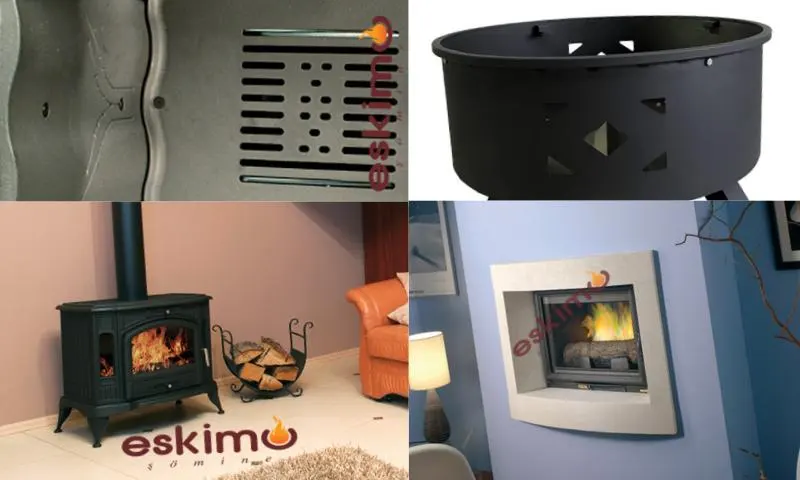
More than just a heating or cooking appliance, the kuzine is a symbol of warmth, unity, and home life in Anatolian culture. You can visit https://eskimosomine.com/kuzine-soba to learn more about the kuzine. Especially in village houses or old mansions, habits like gathering around the kuzine, chatting, and roasting chestnuts have been passed down from generation to generation. When this situation is evaluated from a cultural and architectural perspective, it is seen that the type of stove used is not just an object, but a part of a lifestyle. In Turkish culture, the concept of "by the stove" defines a central space, both physically and emotionally.
The Kuzine and Its Resurgence in Modern Life
Many houses built in the past also have specially designed sections for this heater. Open-plan structures that allow for the shared use of kitchen and living areas have been shaped around this heater. Chimney systems embedded in the wall, wood storage areas, and stone floors specific to the kuzine are important parts of this architectural understanding. Today, in restored stone houses or in rustic decoration concepts, the kuzine is reinterpreted, blending nostalgia with modernity. From a cultural and architectural perspective, it serves as an aesthetic link connecting the past and the present. The artificiality and speed brought by urban life are directing people towards a more natural and simple life. For this reason, it has started to gain interest again, not only in rural areas but also in urban life. The use of kuzine stoves is becoming increasingly common, especially in tiny houses, country houses, or bungalows. Models designed in harmony with natural materials such as wood and stone in modern architecture offer both a nostalgic touch and a functional solution. The cultural and architectural perspective adds warmth and character to the present while remembering the past.