
The History of Boza: A Traditional Taste from Anatolia to the Present Day

Boza, an indispensable drink of the winter months, is a traditional Turkish beverage with a history dating back centuries. The history of boza extends back to the Turkic communities of Central Asia. Boza, which originated as a grain-based drink, gradually spread to Anatolia and the Balkans, and was reshaped with different flavors in each region. During the Ottoman period, boza became a favorite of the people, especially in winter, for its energizing and nutritious properties, and it continues to find its place on tables today, preserving its nostalgic atmosphere. The cries of traditional street boza vendors, “Bozaaa!”, carry the warm memories of the past to the present. You can look at related online companies on internet pages to get information on this subject and ask your questions, and examine it in detail from here.
The Historical Journey of Boza and Its Place in Ottoman Culture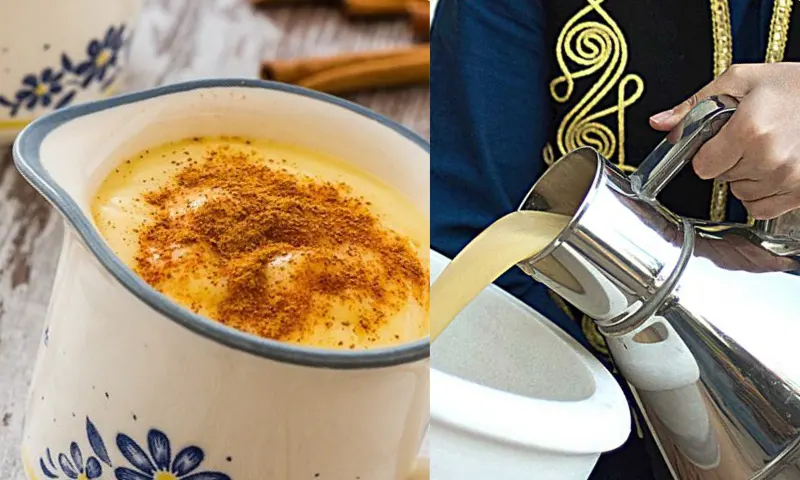
When the history of boza is examined, it is seen that this drink held an important place both among the people and in the palace cuisine. Boza, which emerged in Central Asia in the 9th century, was carried to different countries with migrations and prepared with local grains in each region. It gained great popularity, especially in Istanbul, during the Ottoman Empire. Mentioned in Evliya Çelebi's Seyahatname (Book of Travels), boza was consumed as both a refreshing and filling drink at that time. However, for a period, it was considered alcoholic in some regions due to excessive fermentation and was banned. Despite this, the traditional production method continued among the people, and the history of boza was preserved as a cultural heritage. Today, established businesses like Vefa Bozacısı continue to keep this tradition alive.
The Place of Boza Today and the Preservation of Its Traditional Value
In modern times, the history of boza is not just the story of a drink, but also the story of a culture. Boza, consumed with cinnamon and roasted chickpeas on cold winter days, represents both the longing for the past and the importance given to traditional flavors. As the trend towards natural ingredients has increased, boza has become popular again. The spread of homemade recipes has ensured that this traditional drink is embraced by new generations. Furthermore, boza stands out as a valuable drink for health due to its rich content of B vitamins and probiotics. In conclusion, the history of boza is a delicious reflection of our cultural heritage and symbolizes a taste journey extending from the past to the future.