
How to Analyze Models Created with Architectural BIM Software?
How is Visualization Done in Architectural BIM Software?
Models created with architectural BIM software are used to evaluate the performance, safety, and sustainability of buildings through various analyses. Energy analysis helps to optimize the building's energy consumption and efficiency. These analyses evaluate the performance of HVAC systems, sunlight and shadow effects, and the thermal insulation of the building envelope. Structural analysis examines the building's durability and stability. These analyses include load-bearing capacity, earthquake resistance, and other structural criteria. Lighting analysis evaluates the distribution and effects of natural and artificial light sources within the building. You can visit the website https://idecad.com.tr/architecture-engineering-construction/building-design/bim-for-architects/ for more information about architectural BIM software.
What are the Effects of Architectural BIM Software on Budgeting?
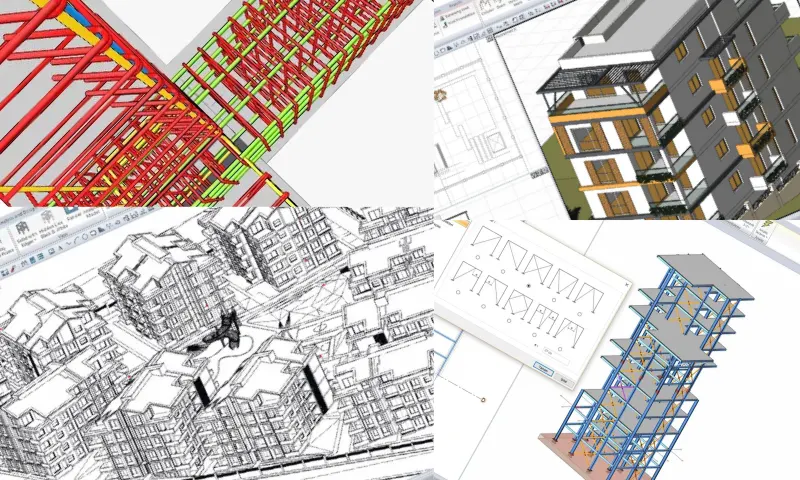
In architectural BIM software, visualization ensures that projects are presented in a more understandable and impressive manner. 3D modeling tools create a detailed digital representation of the structure. These models can be examined from various angles, allowing users to gain a better understanding of the design. Rendering tools produce photo-realistic images of the models. This allows for a realistic presentation of materials, lighting, and environmental elements. Animation and virtual tours enable the user to experience the project. Users can virtually navigate within the building and evaluate the functionality and aesthetics of the design. Architectural BIM software provides significant positive impacts on project budgeting. Detailed and accurate modeling allows for more precise calculation of material and labor costs. This increases the accuracy of cost estimates and prevents budget overruns. Architectural BIM software ensures the integration of all project components and processes, offering a more efficient cost management process. Clash detection and resolution minimize unexpected costs during the construction phase. Potential incompatibilities between different disciplines are detected in advance, reducing rework costs.