
The Definition and Importance of Structural Design

Structural design is the process of planning, creating, and organizing buildings and other structures. This process is not just about combining aesthetic elements, but also a complex endeavor that takes into account factors such as functionality, safety, sustainability, and cost. The primary goal of structural design is to construct safe and efficient structures that meet the needs of their users. The design phase is a process where architects, engineers, and other specialists collaborate to optimize all aspects of the structure. This process merges aesthetic perspectives with engineering science and environmental harmony. The importance of structural design lies in its ability to directly impact the quality of living spaces. Accurate planning of all infrastructure, functionality, and safety elements necessary for people's daily lives determines the success of the design. Furthermore, constructing environmentally friendly and sustainable structures is of great importance for meeting future needs. Therefore, structural design is not merely a visual process, but a discipline that will have significant impacts on society and the environment in the long term. For information on this subject and to ask your questions, you can check out relevant online companies on internet pages and conduct a detailed review from there.
The Structural Design Process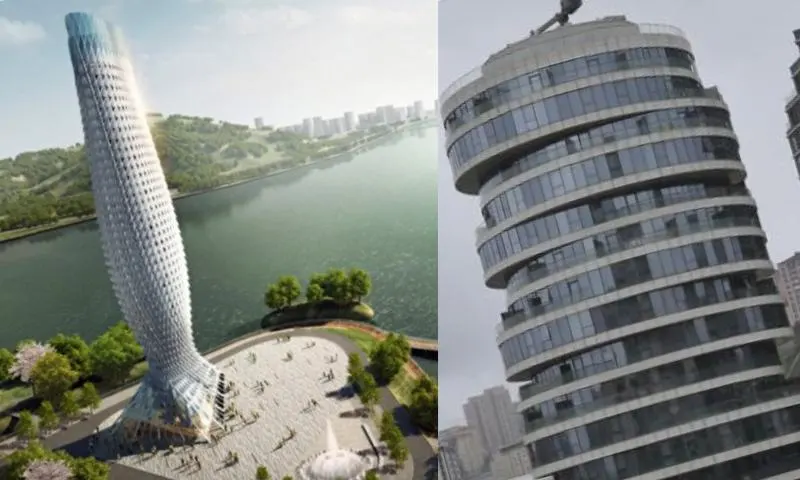
The structural design process consists of several fundamental stages. First, the needs for the project are determined. In this stage, expectations from the structure, user demands, and environmental factors are considered. Then, the concept design stage begins. In this phase, architects and engineers form ideas about the basic shape and functions of the structure. The concept design is then shaped through detailed engineering calculations and structural analyses. Every stage of the design must be compatible with factors such as safety, energy efficiency, functionality, and sustainability. The next stage is the visualization and modeling of the design. 3D modeling software and other digital tools visualize the details of the structural design in a virtual environment and allow for quick evaluation of changes made. This stage also emphasizes the aesthetic aspects of the design. Finally, the construction phase begins, and the project starts to be implemented. This stage brings the design to reality and is meticulously supervised to ensure the structure is functional and safe.
Current Trends and Technologies in Structural Design
The technologies used in structural design today make the design process much more efficient and effective. Digital modeling software like BIM (Building Information Modeling) helps designers visualize and analyze every detail of the structure in a digital environment. These technologies reduce the margin of error at every stage of the design and ensure projects are completed more quickly and cost-effectively. Additionally, sustainable design trends are becoming increasingly popular. Energy efficiency, green building certifications, and environmentally friendly materials are important elements of modern structural design. Sustainability solutions such as the integration of renewable energy systems, water efficiency, and waste management are an important part of future structural designs. Structural design is a complex process to ensure a structure is not only aesthetic but also functional, safe, and environmentally friendly. A good structural design enhances the quality of life for users and creates environmentally conscious, sustainable structures. Today's technologies and sustainability trends are creating significant innovations in structural design, enabling the construction of more efficient and environmentally friendly structures for the future. The digital tools and analysis methods used in the design process help manage this complex process more efficiently.