
Interior Architecture: The Art of Transforming Spaces

Interior architecture is the art of creating livable, functional, and aesthetic spaces. Interior architects design spaces, determine color, material, and furniture selections, and ensure that the space is organized according to user needs. Interior architecture plays an important role in improving the quality of life for individuals and society. Interior architecture ensures that living spaces are more functional, comfortable, and aesthetic. A well-designed interior space can positively affect people's moods and behaviors. Furthermore, interior architecture can increase energy efficiency by optimizing the use of spaces and can create designs in line with sustainability principles. A well-designed interior space can improve people's quality of life and increase their sense of happiness. For information on this subject and to ask your questions, you can look at the relevant online companies on web pages and examine them in detail from here.
Interior Architecture Design Process and Application Stages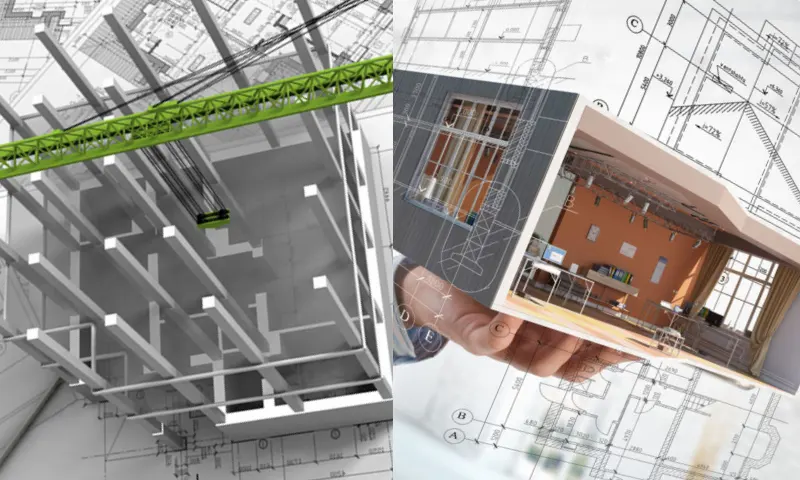
The interior architecture design process generally consists of certain stages. The first stage is meetings with the client and examining the space. In this stage, the client's wishes and needs are determined, and the physical characteristics of the space are evaluated. The second stage is the design and planning stage. In this stage, the interior architect creates designs and plans that meet the functional and aesthetic requirements of the space. The third stage is the application stage. In this stage, the necessary materials and labor for bringing the design to life are selected, and the application process is initiated. The final stage is the completion and evaluation stage. In this stage, the completion of the design and the evaluation of customer satisfaction are ensured.
Innovative Approaches and Technologies Used in Interior Architecture
Innovative approaches and technologies used in interior architecture can significantly affect the design process and outcomes. For example, 3D modeling and visualization techniques allow clients to better understand the design and can speed up the design process. In addition, the use of sustainable materials and energy efficiency-focused design approaches ensure that interior spaces cause less harm to the environment. Other innovative approaches used in interior architecture may include smart home technologies, innovative lighting systems, and material recycling.