
Organic Vegetables for Health and Sustainability
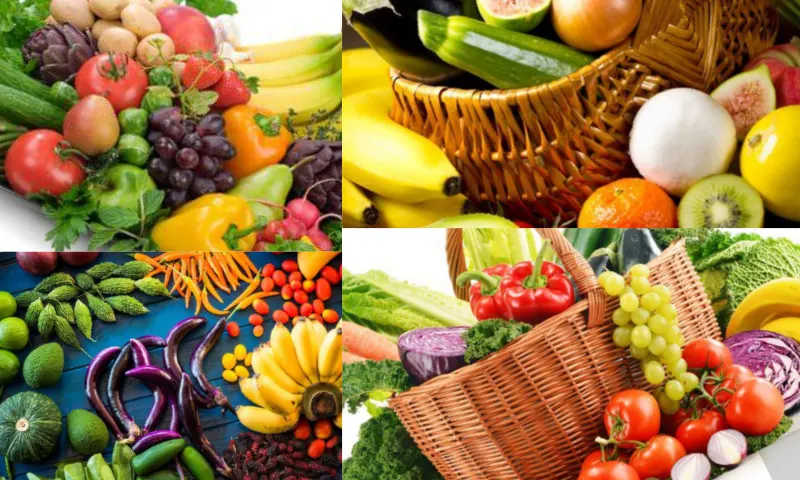
Organic vegetables are vegetables produced by natural growing methods and grown without chemical fertilizers, pesticides, or genetic modification. Organic farming methods aim to protect human health and support environmental sustainability. For information on this subject and to ask your questions, you can look at the relevant online companies on the internet pages and examine them in detail from here.
Healthy and Nutritious Options
Organic vegetables offer a healthier alternative as they do not contain chemical pesticides and fertilizers. These vegetables can be consumed without exposure to potentially harmful chemical residues. At the same time, organic production methods protect soil health and contribute to the vegetables being more nutritious. Organic farming aims to protect soil health and reduce erosion. Preventing the use of chemical fertilizers and pesticides helps the soil maintain its natural balance. This increases soil fertility in the long term and supports environmental sustainability.
Cultivation Without Genetic Modification
Organic vegetables are grown without genetic modification. This ensures the preservation of natural vegetable species and the maintenance of biodiversity. Organic farming also contributes to the preservation of traditional seed varieties. As a result, organic vegetables play an important role in terms of both human health and environmental sustainability. Preventing the use of chemical fertilizers and pesticides, protecting soil health, and growing without genetic modification are the main characteristics of organic vegetables. For those who prefer healthy eating, organic vegetables offer a natural and nutritious alternative, while also contributing to environmental sustainability.