
Lemon Tree Soil and Location Requirements
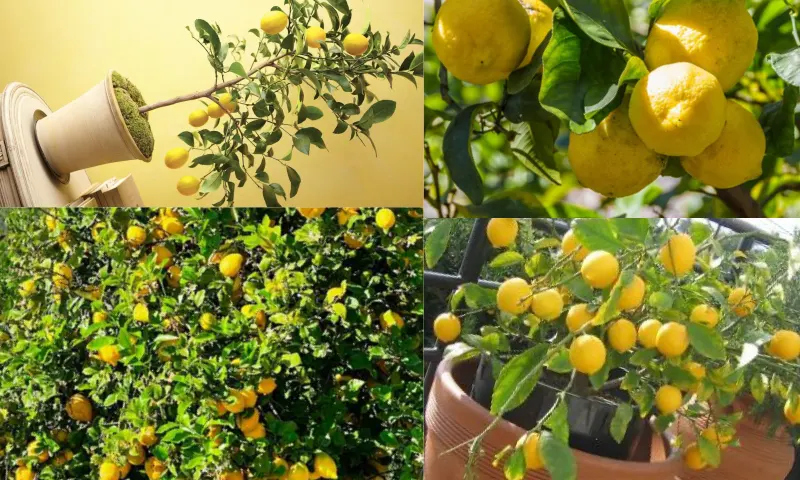
The lemon tree (Citrus limon) prefers warm and sunny climates. Therefore, it is important to place your tree in a location where it can receive maximum sunlight. A spot that receives sunlight for most of the day is ideal. When choosing soil, a well-drained, slightly acidic, and organic-rich soil is preferred. The soil pH should be between 5.5 and 6.5. If your garden's soil does not meet these conditions, you can ensure the healthy growth of your lemon tree by making the necessary adjustments. Good drainage is also important because lemon trees do not like water to accumulate around their roots and can encounter problems like root rot. For information on this topic and to ask questions you are curious about, you can look at the relevant online companies on web pages and examine them in detail from here.
Watering and Fertilizing: Balanced Nutrition
Proper watering of lemon trees is vital for their healthy development. Young trees need more water as they develop their root systems. Therefore, they should be watered regularly for the first few years. Mature lemon trees should be watered when the soil surface dries out. Avoiding overwatering is important to ensure the roots receive air. When determining the amount of water, it is necessary to consider seasonal conditions and the soil's moisture level. Regarding fertilization, citrus fertilizers specifically formulated for lemon trees should be used. Fertilizing monthly during spring and summer ensures the tree receives the nutrients it needs and increases fruit yield.
Pruning and Disease Control: Tips for Healthy Growth
Regular pruning of lemon trees is essential for healthy growth and productive fruit production. Pruning should generally be done at the end of winter, while the tree is still in its dormant period. This allows the tree to conserve energy and ensures that new shoots are stronger. During pruning, it is important to open up the center of the tree and thin out the inner branches to increase air circulation. Additionally, diseased or weak branches should be removed. Pest and disease control are critically important for keeping the lemon tree healthy. The most common diseases include fungal infections and root rot. Pests include aphids, whiteflies, and spider mites. Regularly inspecting your tree and using appropriate plant protection products when necessary will be effective in managing these problems. You can also combat pests using natural methods and preserve the ecological balance. Lemon tree care requires a careful and informed approach. The right soil and location selection, regular watering and fertilizing, effective pruning, and disease control are the keys to growing a healthy and productive lemon tree. By applying this basic information, you can harvest abundant and delicious lemons from your garden.