
The History and Cultural Significance of the Tulip
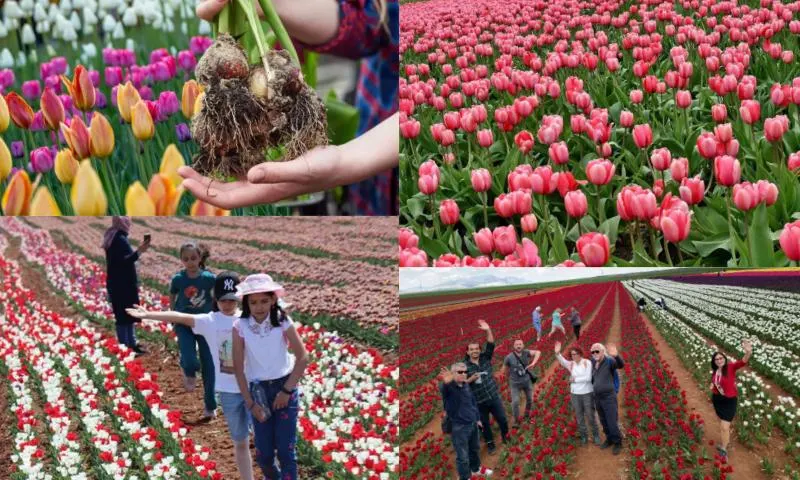
The tulip is one of the world's most beloved flowers, cherished for both its beauty and its rich history. Especially during the Ottoman Empire, the tulip gained great importance as a symbol of art and elegance. Tulips, cultivated in Ottoman palaces in the 16th century, became the symbol of the cultural and artistic movement known as the "Tulip Era." Historically growing naturally in the regions of Turkey, Iran, and Central Asia, the tulip later spread to Europe. The tulip is not just an aesthetic flower but also possesses a rich biodiversity with its different colors and varieties. Available in colors such as red, yellow, white, and purple, the tulip carries different meanings with each color; for instance, the red tulip symbolizes love, while the white tulip represents purity and innocence. For information on this topic and to ask your questions, you can check relevant online firms on web pages and conduct a detailed examination from there.
Tulip Cultivation and Care

Tulip cultivation is a quite enjoyable pursuit when the right conditions are provided. Tulip bulbs, typically planted in the autumn months, root underground during winter and produce spectacular flowers in the spring. Tulip bulbs perform best in well-drained, humus-rich soils. It is important to pay attention to the soil's moisture balance; overwatering can lead to bulb rot. Tulips are resistant to cold weather, but extreme frost and drought can cause damage. They thrive better in sunny locations, as they need ample light to maintain their vibrant colors. Before planting tulips, the soil should be thoroughly prepared, and the bulbs should be placed with sufficient spacing between them. Furthermore, tulips bloom every year according to their natural cycles, but some varieties require regular care and protection.
The Tulip's Place in Art and Daily Life
The tulip holds an important place not only in natural beauty but also in art and culture. Tulip motifs have been frequently used in many works of art, from Ottoman miniatures to carpet and tile designs. Today, the tulip is recognized as one of Turkey's symbols, and the Tulip Festival, held annually in Istanbul in April, attracts millions of visitors. The tulip is also popular in decoration; as a cut flower, it adds elegance to homes. Planting tulips in gardens and parks creates colorful and vibrant scenes that bring joy to people. The meanings and symbols attributed to the tulip add a unique value to it, while its re-blooming every spring is also interpreted as a symbol of life and hope.