
Ventilated Cladding
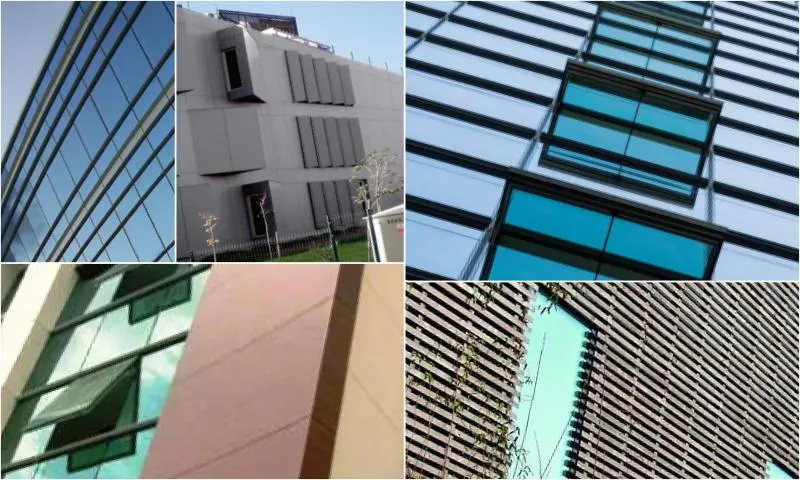
Advantages of Ventilated Cladding
Ventilated cladding products are among the facade cladding products frequently preferred in buildings recently. These products, which have high adhesion strength and are waterproof, are resistant to all kinds of weather conditions and moisture. Ventilated building cladding products eliminate problems in connection sections and transitions between different materials that require detail. They are water-resistant. Maximum adhesion strength supports water resistance and flexibility. You can prefer ventilated cladding products for their air-tightness properties for the necessity of savings in buildings.
Why Ventilated Exterior Facade Cladding?
Ventilated cladding products prevent a total of 30% – 40% of heat loss originating from the exterior facade in buildings, and this will return to you as economical energy consumption in the short term. You can ensure the most effective heat preservation thanks to ventilated exterior facade layers. Furthermore, you will also be protected against dirty air and dust particles formed by wind penetration in the outside air at excessive or insufficient temperatures. Thanks to ventilated facade cladding; efficient heat accumulation is provided, your sense of comfort is not disturbed as you are not affected by sudden temperature or weather changes. Condensation formation on inner or outer surfaces is prevented due to the ease of moisture transition. The fire resistance of the structure increases. The problem of noise originating from the external environment is eliminated. Ventilated cladding facade applications, also known as ventilated facades, get their names from the ventilation layer between the decorative cladding and the outer decorative cladding. It is one of the most widely used building cladding methods today. The purpose of this layer is to allow the water vapor formed inside the building to exit the building easily through diffusion. In addition, this ventilation layer prevents heat from entering the building in the summer while serving as additional thermal insulation in the winter.