
Benefits of Pregnancy Yoga
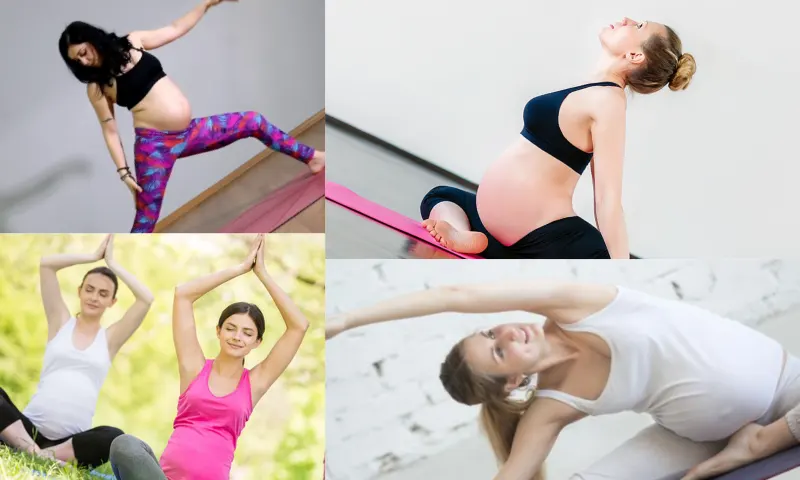
Pregnancy yoga offers numerous physical and mental benefits for expectant mothers during their pregnancy. This type of yoga allows expectant mothers to achieve physical relaxation and gain flexibility. The changes that occur in the body throughout pregnancy can cause back pain, and tension in the lower back and pelvic area. Yoga can alleviate pain and strengthen muscles by relieving tension in these areas. Additionally, pregnancy yoga teaches deep breathing and relaxation techniques. These techniques support relaxation during childbirth and make the birthing process more manageable. Pregnancy yoga can also help expectant mothers sleep better and improve their overall mood. Regular yoga practices can also positively contribute to the postpartum recovery process and prepare the mother physically. For information on this topic and to ask your questions, you can visit relevant online companies on web pages and examine them in detail from there.
Techniques and Poses Practiced in Pregnancy Yoga
The techniques and poses used in pregnancy yoga are specially adapted to the needs of expectant mothers. Safe and effective poses generally include the "cat-cow" movement, the "side-lying" position, and the "square" position. The "cat-cow" movement helps stretch the back muscles and relieve lower back pain. The "side-lying" position provides relaxation by reducing the difficulties of lying on your back during pregnancy. The "square" position can help reduce tension in the pelvic area. Additionally, breathing exercises and meditation techniques are used to reduce stress and anxiety. Learning to inhale and exhale provides greater comfort and control during and after childbirth. In pregnancy yoga classes, these poses and techniques are generally adapted to the later stages of pregnancy and practiced safely.
Pregnancy Yoga and Safety Precautions
When practicing pregnancy yoga, it is important to pay attention to some safety precautions. First, consulting your doctor before practicing yoga during pregnancy is necessary to determine if there are any risks or health problems. Performing yoga poses correctly ensures safety for both the mother and the baby. In particular, some positions, such as lying on your back, can cause discomfort as pregnancy progresses and should be avoided. In pregnancy yoga, sudden movements and excessive stretching should be avoided; every movement should be done slowly and in a controlled manner. Additionally, in pregnancy yoga classes, hard floors or slippery surfaces should be avoided; yoga mats should be non-slip. Fluid intake and appropriate clothing selection are also important; comfortable and breathable clothing should be preferred during pregnancy. These precautions ensure that pregnancy yoga is practiced both safely and effectively.