
Comfortable Living with Smart Home Technologies

A smart home refers to living spaces equipped with technology. These systems are developed to increase security, energy savings, and comfort. Many devices such as smart lighting, heating-cooling systems, curtain control, and security cameras can be managed from a single center or through mobile applications. For example, when leaving home, you can turn off all lights with a single button, activate the alarm system, or adjust the air conditioner settings remotely. This makes daily life both more practical and safer. For information on this subject and to ask your questions, you can look at the relevant online companies on the web pages and review them in detail.
Energy Savings and Security in Smart Homes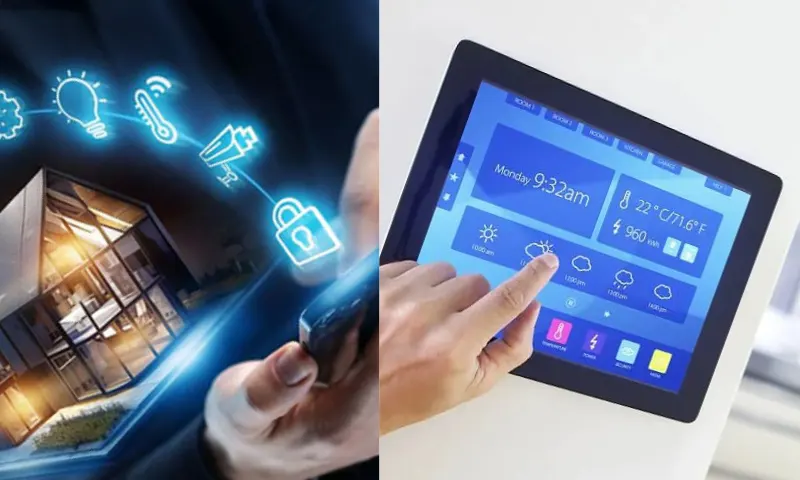
One of the most significant advantages of smart home systems is energy saving. Unnecessary energy consumption is prevented thanks to timed outlets, smart thermostats, and motion sensor lighting. This provides an environmentally friendly life and reduces bill costs. Smart homes also offer great convenience in terms of security. Smart locks, video doorbells, and motion-sensing cameras provide homeowners with 24/7 control. This makes it possible to ensure security even when you are away from home. In this respect, smart homes have become a reliable part of modern life.
The Future Role of Smart Homes
Smart home technologies are increasingly developing and becoming an integral part of life. Thanks to the Internet of Things (IoT), communication is established between devices, and more personalized solutions are offered with artificial intelligence-supported systems. In the future, smart homes will not only increase comfort but also make significant contributions in areas such as health monitoring, elderly care support, and sustainable energy use. These developments show that smart homes will become a standard need of modern life rather than a luxury option.