
What is the Importance of Architectural BIM Technology?
What is the Role of Architectural BIM in Sustainability?
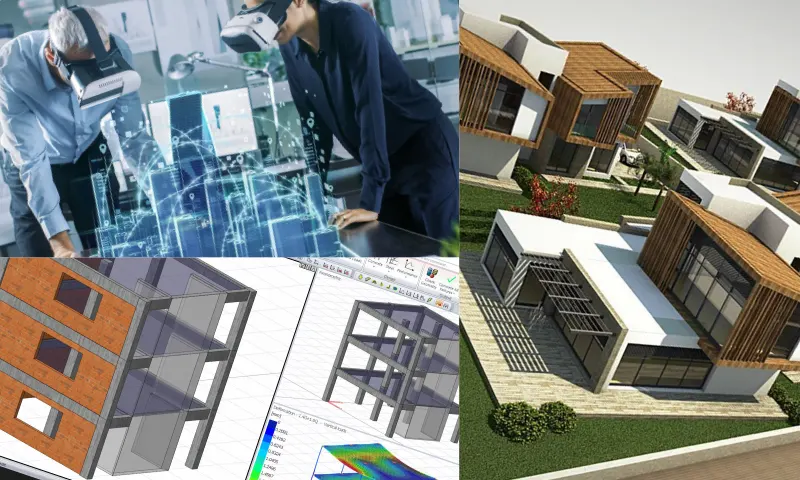
Architectural BIM (Building Information Modeling) technology is an approach that transforms and optimizes construction and design processes. This innovative technology integrates not only 2D and 3D models but also all project data, providing a more effective and efficient design, construction, and operation process. BIM offers significant advantages in the field of architecture. One of the primary advantages is the increase in collaboration and communication among all project stakeholders. Designers, engineers, contractors, and field teams can work on the same platform, share data, and identify and resolve clashes in advance. This reduces project errors while saving time and cost. For detailed information on Architectural BIM, you can visit https://idecad.com/architecture-engineering-construction/building-design/bim-for-architects/.
What are the Advantages of Architectural BIM in Construction Projects?
Architectural BIM improves data management throughout the project lifecycle. Starting from the construction phase through to the operation and maintenance period, all data remains up-to-date and accessible. This provides long-term advantages for building owners, as maintenance and operation processes become more efficient and sustainable. Architectural BIM can also enhance energy efficiency and help achieve sustainability goals. By performing simulations and analyses during the design phase, it is possible to optimize building energy consumption and minimize environmental impacts. Architectural BIM technology provides a fundamental transformation that is revolutionizing the construction and design industry. Thanks to advantages such as collaboration, data integration, and increased efficiency, projects are managed better, and it becomes possible to construct more sustainable buildings. The adaptation and use of BIM technology by architecture professionals are critical for the future of the industry. It facilitates communication among various stakeholders, ensures data consistency, and reduces errors. Designs can be viewed more realistically through 3D models.





