
Geographical Features of the Nile River
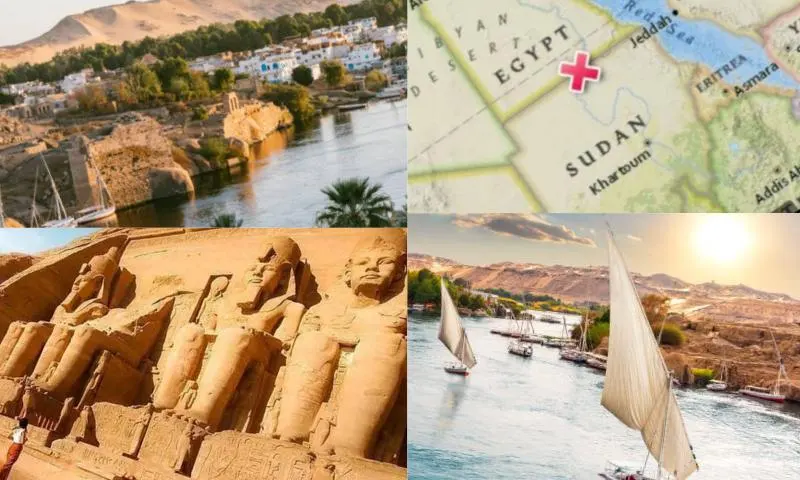
The Nile River is the longest river on the African continent and the longest river in the world, exceeding 6,650 kilometers in length. It is divided into two main branches: the White Nile and the Blue Nile. The White Nile is fed by various lakes in Central Africa, most notably Lake Victoria, while the Blue Nile originates from Lake Tana in Ethiopia. The two branches merge in Khartoum, the capital of Sudan, and continue from there as the Nile River. The Nile flows across Northeast Africa, reaching the north of Egypt and emptying into the Mediterranean Sea. This river is one of the most important waterways in Africa and a source of life for the surrounding regions. For information on this topic and to ask your questions, you can look at the relevant online firms on internet pages and examine them in detail.
Historical and Cultural Significance of the Nile River
The Nile River has been the center of Egyptian Civilization for thousands of years. For the ancient Egyptians, the Nile was not just a source of water but also of vital importance for agriculture. The regular annual floods made the lands around the river fertile, which supported agricultural activities. Therefore, the Nile was considered the "life-giving river" by the Egyptian people. The Nile River has also been one of the fundamental elements that shaped Egypt's social, economic, and cultural structure. The settlements around the river also played an important role in transportation, trade, and communication.
The Nile River's Present Role and Challenges
Today, the Nile River continues to be a major water source for both Egypt and Sudan. However, the challenges related to the use of the river have also increased. The Nile River not only provides water but is also used for energy production. Egypt largely owes its hydroelectric energy, generated from the Aswan Dam, to the Nile River. Nevertheless, there are various disputes among neighboring countries regarding the sharing of the river's water. The regulation of the Nile's flow, especially due to dams built in recent years, is creating tension over regional water resources. This situation causes problems in diplomatic relations between countries and threatens the future sustainable use of the Nile River.