
The Culture and Historical Richness of Turkish Cuisine
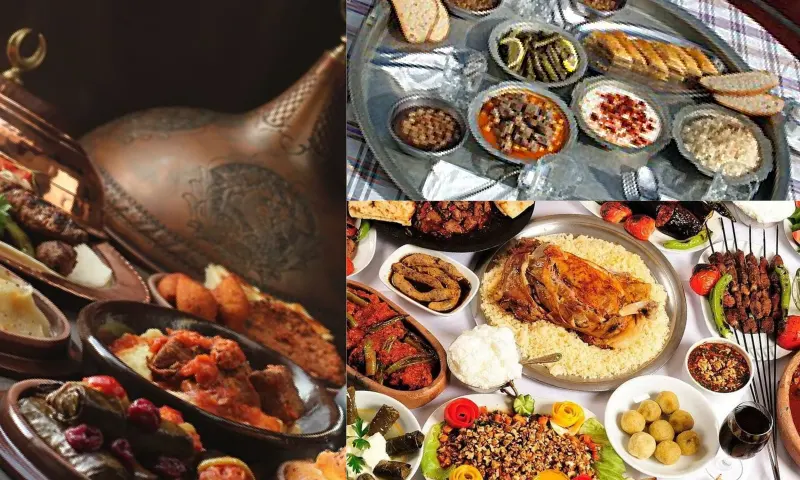
The culture of Turkish cuisine is a rich and deep-rooted gastronomic heritage shaped by the influence of different civilizations over centuries. Migrations from Central Asia to Anatolia, combined with the palace cuisine developed during the Seljuk and Ottoman periods, have made Turkish cuisine one of the most important cuisines in the world. This culinary culture is remarkable not only for its variety of dishes but also for its traditions of food preparation and presentation. Sharing and hospitality hold an important place within the culture of Turkish cuisine. Traditional flavors prepared for family meals, holiday feasts, and special occasions are among the most important components of this culture. Turkish cuisine has a vast diversity thanks to the products grown in different regions of Anatolia and local recipes. Each region has its own unique dishes and cooking methods. This creates a rich gastronomic heritage for the culture of Turkish cuisine. Having interacted with different cultures throughout history, Turkish cuisine has managed to bring together both traditional and modern touches. For information on this subject and to ask questions you are curious about, you can look at relevant online firms on web pages and examine them in detail from here.
Regional Flavors within the Culture of Turkish Cuisine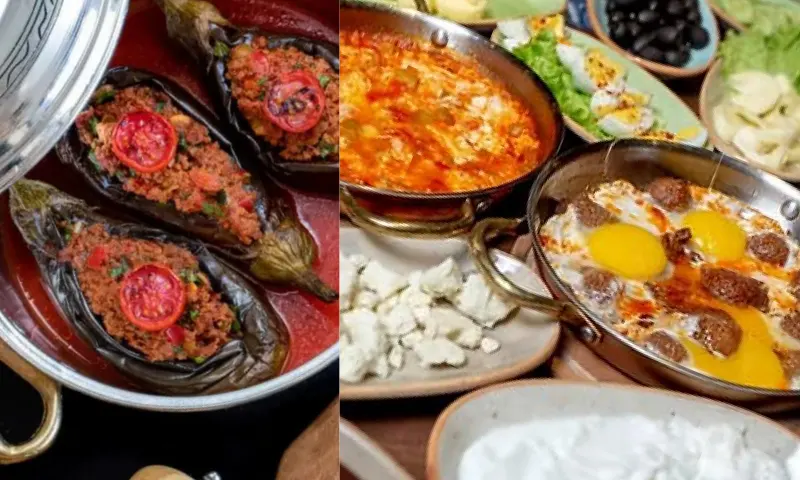
One of the most important characteristics that come to mind when talking about the culture of Turkish cuisine is regional diversity. Different regions of Turkey are known for their unique dishes. For example, Southeastern Anatolian cuisine is famous for its spicy and meat-heavy dishes. Flavors like kebab varieties, lahmacun, and baklava are among the most well-known dishes of this region. Black Sea cuisine, on the other hand, is more prominent with fish and corn products. Hamsi dishes, mıhlama, and black cabbage soup are some of the unique flavors of this region. While Aegean cuisine is known for its olive oil-based dishes and vegetable-heavy recipes, pastry and meat dishes come to the forefront in Central Anatolian cuisine. This diversity constitutes a significant richness for the culture of Turkish cuisine. Each region has developed different dishes according to its own geographical conditions and agricultural products. This allows Turkish cuisine to have a strong identity at both local and national levels.
The Culture of Turkish Cuisine and its Place in Social Life
The culture of Turkish cuisine is not just about food; it is also an important part of social life. In Turkish society, eating is an important activity that brings family members and friends together. Traditional dishes prepared especially for holidays, weddings, and special celebrations contribute to the preservation of this culture. The tradition of hosting guests also holds an important place within the culture of Turkish cuisine. Offering food to guests and meticulously preparing the table is considered a sign of respect and hospitality. In addition, breakfast culture is one of the most special aspects of Turkish cuisine. Rich breakfast tables are prepared with cheese, olives, honey, jam, and various pastries. Today, Turkish cuisine attracts great interest in both local restaurants and among world cuisines. This creates an important promotional opportunity for the culture of Turkish cuisine and contributes to the transmission of this rich gastronomic heritage to future generations.